
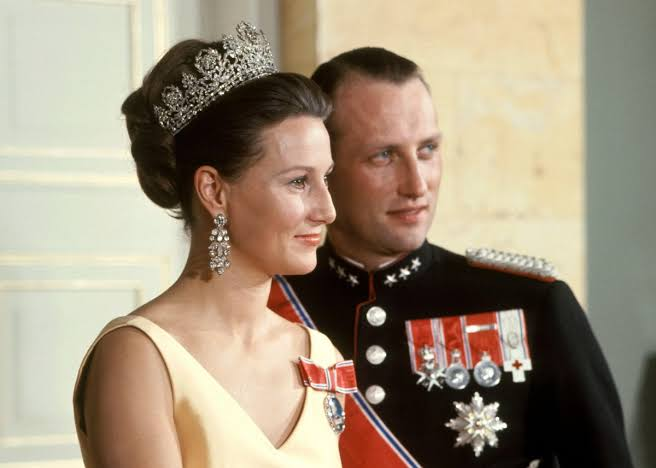
Introduction
Queen Sonja of Norway is widely admired for her grace, intelligence, and dedication to public service. As the wife of King Harald V, she has spent decades representing Norway with dignity while also promoting culture, education, environmental awareness, and humanitarian causes. Her life story is remarkable because it combines royal tradition with modern values, making her one of Europe’s most respected queens.
Unlike many royal figures born into noble families, Queen Sonja came from a non-royal background. Her marriage to Crown Prince Harald was once considered controversial, yet their enduring love story eventually changed public opinion and even influenced the future of the Norwegian monarchy. Today, she is celebrated not only as Norway’s queen but also as an accomplished patron of the arts and a symbol of resilience.
This article explores Queen Sonja of Norway’s early life, royal journey, charitable work, artistic interests, and lasting legacy. Whether you are curious about the Norwegian royal family or simply interested in learning about an inspiring public figure, Queen Sonja’s story offers plenty of fascinating insights.
Early Life and Education
Queen Sonja was born Sonja Haraldsen on July 4, 1937, in Oslo, Norway. She grew up in a supportive middle-class family where education, responsibility, and strong personal values were emphasized. Her upbringing gave her a practical outlook that would later distinguish her from many traditional royals.
She attended local schools in Oslo before pursuing higher education in subjects including dressmaking, fashion design, French, English, and art history. Her educational background reflected a wide range of interests rather than a narrow focus on royal duties. These studies helped shape her appreciation for creativity and culture, passions she still actively supports today.
Before becoming a queen, Sonja lived much like many other young Norwegians of her generation. She enjoyed learning, meeting people from different backgrounds, and developing her own identity. This ordinary beginning has made her especially relatable to the Norwegian public, who often appreciate her approachable personality.
The Love Story That Changed Norwegian Royal History
One of the most fascinating chapters in Queen Sonja of Norway’s life is her romance with Crown Prince Harald. The couple met in the late 1950s and quickly formed a close relationship. However, their love faced significant challenges because Sonja was not born into royalty or aristocracy.
At the time, many believed the future king should marry someone from another royal family. The relationship remained private for several years while the couple hoped to gain approval from King Olav V and government officials. Their commitment to one another never wavered despite the uncertainty surrounding their future.
Eventually, after nearly a decade of waiting, permission was granted for the marriage. Harald and Sonja were married on August 29, 1968, at Oslo Cathedral. Their wedding marked a turning point in Norwegian royal history by demonstrating that love and personal compatibility could outweigh traditional expectations. Today, their marriage is regarded as one of the strongest royal partnerships in Europe.
Becoming Queen of Norway
When King Olav V passed away in 1991, Harald became King Harald V, and Sonja officially became Queen of Norway. Taking on this role meant assuming a wide range of ceremonial, diplomatic, and charitable responsibilities.
Queen Sonja adapted to her position with confidence and professionalism. She accompanies the king during official state visits, welcomes foreign leaders, attends national celebrations, and represents Norway at major international events. Her calm presence and thoughtful communication have earned respect both within Norway and abroad.
Although much of her work takes place away from media attention, Queen Sonja plays an important role in strengthening Norway’s international relationships. Through cultural exchanges and diplomatic engagements, she helps present Norway as a modern nation that values cooperation, education, and mutual respect.
Queen Sonja’s Commitment to Charity and Public Service
Public service has always been central to Queen Sonja’s role. Throughout her years as queen, she has supported organizations focused on healthcare, education, social welfare, women’s rights, and humanitarian assistance.
She has been particularly active in promoting inclusion and equal opportunities. By supporting educational initiatives and community programs, Queen Sonja encourages people from all backgrounds to participate fully in Norwegian society. Her patronage often brings valuable attention and funding to important causes.
Environmental protection is another issue close to her heart. Queen Sonja has participated in numerous initiatives promoting sustainable development and responsible stewardship of nature. Her commitment reflects Norway’s broader focus on environmental conservation and responsible resource management.
Rather than simply lending her name to charitable organizations, Queen Sonja frequently visits projects, meets volunteers, and speaks directly with individuals benefiting from these programs. This personal involvement has strengthened her reputation as a genuinely caring public servant.
A Passion for Art and Culture
Beyond her royal responsibilities, Queen Sonja is well known for her deep appreciation of art and culture. She has actively supported Norwegian artists and cultural institutions throughout her life, believing that creativity enriches society and strengthens national identity.
Interestingly, Queen Sonja is also an accomplished artist herself. She has studied printmaking and other artistic techniques, producing works that have been exhibited publicly. Her interest in art demonstrates that learning and creativity can continue throughout life, regardless of one’s position or responsibilities.
She has helped establish cultural awards, exhibitions, and educational programs that encourage artistic development. Through these efforts, Queen Sonja has contributed significantly to preserving Norway’s cultural heritage while also supporting contemporary artists.
Her enthusiasm for art extends beyond museums and galleries. She often speaks about the importance of creativity in education and believes artistic expression helps people understand both themselves and others more deeply.
Family Life and the Modern Norwegian Monarchy
Queen Sonja and King Harald V have built a close-knit family that has become an important symbol of stability for the Norwegian monarchy. Together, they have two children: Crown Prince Haakon and Princess Märtha Louise.
As parents and grandparents, they have often presented an image of warmth and normal family life despite their royal status. This balance between tradition and accessibility has strengthened public confidence in the monarchy.
Crown Prince Haakon, the heir to the throne, represents the next generation of Norwegian leadership. Queen Sonja has consistently supported him as he prepares for future responsibilities while encouraging modernization within the royal institution.
The Norwegian royal family maintains a relatively modest lifestyle compared with some other European monarchies. Queen Sonja’s practical attitude and genuine interactions with citizens have contributed significantly to this positive public image.
Lasting Legacy and International Recognition
Queen Sonja of Norway has become much more than a ceremonial figure. Her decades of dedicated service have established her as one of the country’s most respected public personalities and one of Europe’s most admired queens.
Internationally, she is recognized for promoting cultural diplomacy, humanitarian work, and environmental awareness. During official visits abroad, she represents Norwegian values of equality, education, and peaceful international cooperation.
Her personal journey—from a non-royal young woman in Oslo to Queen of Norway—has inspired countless people. It demonstrates that determination, integrity, and compassion can overcome long-standing traditions and create meaningful change.
Many historians believe Queen Sonja helped modernize public perceptions of the Norwegian monarchy by making it more relatable while preserving its dignity and constitutional importance. Her influence continues to shape the institution even after decades of public service.
Conclusion
Queen Sonja of Norway has earned admiration through decades of unwavering dedication to her country, her family, and the values she represents. From her historic love story with King Harald V to her leadership in charitable work, cultural promotion, and international diplomacy, she has consistently demonstrated grace, intelligence, and compassion.
Her contributions extend far beyond ceremonial appearances. Queen Sonja has championed education, supported artists, encouraged environmental responsibility, and strengthened Norway’s reputation around the world. These achievements have made her a respected figure not only within Norway but also across the international community.
As the Norwegian monarchy continues to evolve, Queen Sonja remains a powerful symbol of service, resilience, and modern royal leadership. Her remarkable journey serves as an inspiring example of how dedication, kindness, and lifelong learning can leave a lasting impact on both a nation and the world.














Leave a Reply